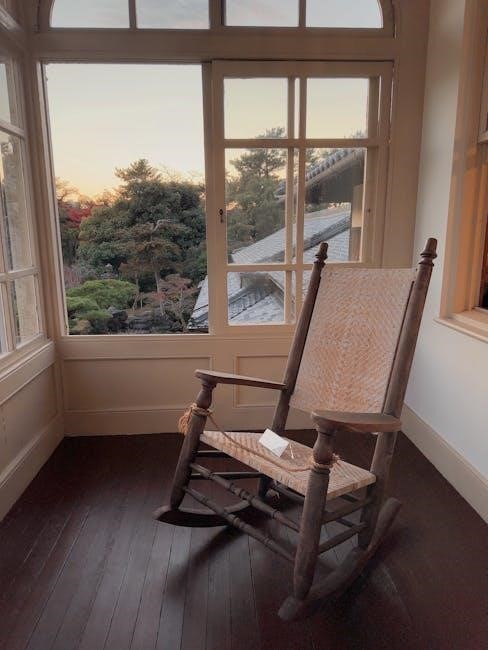
Sam Maloof Rocking Chair Plans: A Comprehensive Guide

Discover detailed plans for crafting iconic Maloof rocking chairs‚ including readily available PDF guides from renowned woodworkers like Charles Brock and Scott Morrison.
These resources offer step-by-step instructions and full-size patterns‚ empowering woodworkers to recreate these beautiful‚ sculpted designs with confidence and precision;
Historical Context of the Maloof Rocking Chair
Sam Maloof’s journey began with a fascination for organic forms‚ diverging from the rigid styles prevalent in mid-20th century furniture design. He wasn’t formally trained‚ instead honing his skills through self-study and experimentation‚ a path that fostered his unique artistic vision.
The rocking chair‚ in particular‚ became his signature piece‚ evolving over decades of refinement. Early examples‚ crafted in the 1950s‚ showcased a growing mastery of sculpting wood and creating comfortable‚ flowing lines.

His work gained recognition through exhibitions and word-of-mouth‚ attracting collectors and admirers who appreciated the artistry and craftsmanship. The availability of plans‚ like those from Charles Brock and Scott Morrison‚ emerged later‚ allowing others to attempt recreating his designs. These plans represent a democratization of his artistry‚ enabling a wider audience to experience the joy of building a Maloof-inspired rocker.
Sam Maloof’s Design Philosophy & Influence
Maloof’s core philosophy centered on creating furniture that felt inherently human – comfortable‚ inviting‚ and visually harmonious. He prioritized the natural beauty of the wood‚ allowing its grain and texture to inform the design. This contrasted sharply with the mass-produced‚ often impersonal furniture of the era.
His influence extends beyond aesthetics‚ emphasizing a connection between the maker and the material. The availability of detailed plans‚ such as those offered by Charles Brock and Scott Morrison‚ allows woodworkers to engage with this philosophy directly‚ experiencing the challenges and rewards of handcrafting a Maloof-inspired piece.
Maloof’s work inspired a generation of furniture makers to embrace organic forms and prioritize comfort and craftsmanship. His legacy continues through these plans‚ fostering a renewed appreciation for the art of woodworking.
Key Characteristics of a Maloof Rocking Chair
Defining features include sculpted‚ flowing lines‚ particularly in the arms and rockers. These aren’t simply curves; they’re carefully shaped for ergonomic comfort and visual grace. The chairs are renowned for their low‚ reclining posture‚ promoting relaxation.
Joints are a hallmark – often utilizing mortise and tenon joinery‚ meticulously fitted and smoothed. The rockers themselves are a critical element‚ designed for a gentle‚ balanced motion. Detailed plans‚ like those from Charles Brock‚ emphasize achieving these precise forms;
Wood selection plays a vital role‚ with walnut and cherry being favored for their beauty and workability. Scott Morrison’s guides often detail techniques for shaping these materials. The overall aesthetic is one of organic elegance and enduring quality.
Materials Required for Building a Maloof Rocking Chair
Essential materials begin with high-quality lumber‚ typically walnut or cherry‚ though plans may suggest alternatives. Expect to need several board feet‚ depending on the chair’s size. Hardware includes screws‚ bolts‚ and potentially specialized fasteners for the rocker attachment.
Adhesives are crucial – a strong wood glue is paramount for durable joints. Plans‚ such as those by Charles Brock‚ will specify appropriate glue types. Finishing supplies encompass sanding paper (various grits)‚ oil finishes‚ or lacquer‚ and application tools.

Beyond wood and fasteners‚ consider materials for templates and jigs‚ often included in PDF plans from sources like Scott Morrison. These aids ensure accuracy during shaping and assembly. Careful material selection impacts the chair’s final aesthetic and longevity.

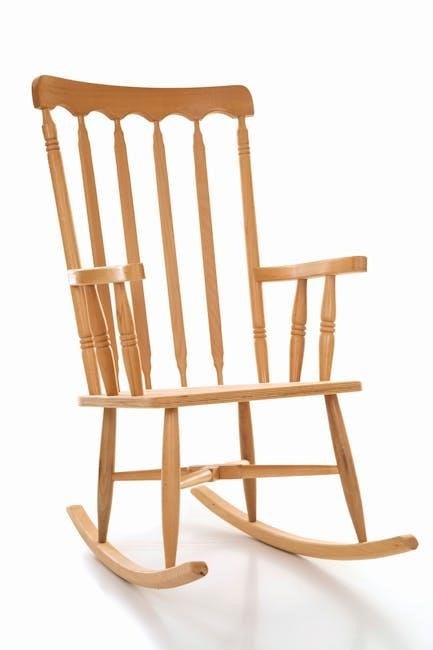
Wood Selection: Walnut‚ Cherry‚ and Alternatives
Walnut reigns supreme for Maloof chairs‚ prized for its rich color and grain‚ enhancing the sculpted forms. Cherry offers a warmer tone‚ developing a beautiful patina over time‚ and is frequently detailed in available plans. PDF guides‚ like those from Charles Brock‚ often showcase both options.
Maple presents a viable alternative‚ providing strength and a lighter aesthetic‚ though it requires careful finishing. Mahogany‚ while less common‚ offers a reddish hue and workability. Wood selection impacts cost and the chair’s overall character.
Scott Morrison’s guides may detail considerations for wood movement and stability‚ crucial for rocking chair construction. Prioritize kiln-dried lumber to minimize warping and ensure lasting quality.
Hardware and Fasteners
Maloof chairs traditionally minimize visible hardware‚ relying on robust joinery. However‚ certain fasteners are essential for structural integrity. PDF plans from sources like Charles Brock will specify appropriate screw sizes and types for securing elements like the rocker base to the seat.
Wood glue is paramount‚ chosen for its strength and compatibility with the selected wood species. Dowels are frequently used to reinforce joints‚ complementing the sculpted design. Avoid overly aggressive fasteners that could detract from the chair’s organic aesthetic.
Scott Morrison’s guides may emphasize the importance of pre-drilling to prevent splitting‚ particularly with walnut or cherry. Quality hardware ensures a durable and safe rocking experience.
Tools Needed for Construction
Successfully building a Maloof rocking chair‚ guided by PDF plans‚ requires a blend of traditional and modern tools. Charles Brock’s plans often assume a well-equipped workshop‚ while Scott Morrison’s guides may offer adaptations for varying skill levels.
Essential tools include saws (bandsaw‚ backsaw)‚ chisels for shaping curves‚ and various measuring & marking implements. Clamps are crucial for secure glue-ups during complex joint construction. A spokeshave is invaluable for refining the sculpted forms.
Power tools like a router and sander significantly expedite the process‚ though hand-tool purists may opt for traditional methods. Access to a drill press is highly recommended for accurate dowel placement. Careful tool selection‚ as outlined in the plans‚ is key.
Essential Hand Tools
Maloof rocking chair plans‚ particularly those from sources like Charles Brock‚ emphasize the importance of skilled hand tool work. A sharp backsaw is vital for precise cuts‚ while a collection of chisels – various sizes and sweeps – allows for sculpting the signature curves.
Essential tools also include a smoothing plane for achieving flawless surfaces‚ a spokeshave for refining complex shapes‚ and marking gauges for accurate layout. Rasps and files are indispensable for shaping and smoothing.
PDF guides from Scott Morrison may suggest alternatives‚ but mastering these hand tools unlocks the true artistry of Maloof’s designs. Quality hand tools‚ properly maintained‚ are an investment in craftsmanship.
Power Tools for Efficiency
While Sam Maloof himself favored hand tools‚ modern woodworkers utilizing PDF plans – like those by Charles Brock or Scott Morrison – can benefit from power tools to streamline the process. A bandsaw is invaluable for roughing out curves and efficiently cutting stock to shape.
A drill press ensures accurate hole placement for joinery‚ and a random orbital sander significantly reduces sanding time. However‚ even with power tools‚ finishing work often requires hand tools for refinement.
Power tools don’t replace skill‚ but they enhance efficiency. Carefully consider safety precautions and remember that the core of Maloof’s aesthetic lies in the nuanced shaping achievable through hand craftsmanship‚ even when aided by modern technology.
Understanding Maloof Joints & Construction Techniques
Sam Maloof’s rocking chairs are renowned for their flowing lines and comfortable feel‚ achieved through specific joinery and construction methods detailed in available PDF plans. Central to his technique is the use of mortise-and-tenon joints‚ often sculpted and rounded for visual appeal and strength.
These joints‚ as illustrated in guides by woodworkers like Charles Brock and Scott Morrison‚ aren’t simply functional; they’re integral to the chair’s organic form.
Understanding how to create these sculpted joints‚ along with techniques for shaping the rockers and seat‚ is crucial. Maloof favored a layered construction for the seat‚ providing both comfort and structural integrity. Mastering these techniques unlocks the essence of his design.
Sourcing Sam Maloof Rocking Chair Plans (PDF & Other Formats)
Finding reliable Sam Maloof rocking chair plans‚ often in PDF format‚ is the first step towards building this iconic piece. Several woodworkers offer detailed guides. Charles Brock Chairmaker provides comprehensive plans‚ including full-size patterns‚ bundled for both the sculpted rocker and low-back chair designs.
Scott Morrison’s guide is another excellent resource‚ offering a step-by-step approach suitable for various skill levels. These PDF plans typically include detailed drawings‚ material lists‚ and instructions for creating the signature sculpted joints.
Online marketplaces and woodworking forums also host plans‚ but verifying their accuracy and completeness is essential before committing to a build.
Charles Brock Chairmaker Plans – A Detailed Look
Charles Brock Chairmaker’s plans are highly regarded for their thoroughness and clarity. His PDF bundles specifically for the Sam Maloof Rocking Chair and Low Back Chair provide woodworkers with everything needed to successfully complete the project. These plans include meticulously drafted‚ full-size patterns for all components‚ eliminating the need for scaling.
The instructions are detailed‚ covering each stage of construction‚ from shaping the rockers to creating the complex sculpted joints. Brock’s approach emphasizes understanding the underlying principles of Maloof’s design‚ not just following steps.
These plans are a valuable investment for serious woodworkers seeking a comprehensive and accurate guide to building a Maloof-inspired chair.
Scott Morrison’s Guide: A Step-by-Step Approach
Scott Morrison’s guide‚ available as a PDF‚ offers a particularly accessible pathway for woodworkers aiming to build a Sam Maloof Rocking Chair. It’s designed to demystify the process‚ reassuring those initially intimidated by the chair’s elegant form. Morrison breaks down the construction into manageable‚ step-by-step instructions‚ perfect for intermediate builders.
The guide emphasizes practical techniques and provides clear explanations of the necessary skills. It focuses on building a solid foundation of woodworking knowledge alongside the specific chair construction.
Morrison’s approach is encouraging‚ promoting confidence and a deeper understanding of the craft‚ making it an excellent resource for a rewarding build.
Step-by-Step Construction Overview
Embarking on a Maloof Rocking Chair build‚ guided by PDF plans‚ typically begins with crafting the rocker base. This involves precise cutting and shaping of the runners‚ ensuring a smooth‚ balanced rocking motion. Following the base‚ attention shifts to shaping the seat and backrest – arguably the most sculptural elements.
Plans detail techniques for achieving the signature Maloof curves‚ often utilizing templates and careful hand-tool work. Joinery‚ a hallmark of Maloof’s style‚ is then implemented‚ connecting the components with strength and grace.
Throughout the process‚ consistent referencing of the PDF plans is crucial for accurate measurements and alignment‚ ultimately leading to a beautifully crafted rocking chair.
Building the Rocker Base
The foundation of any Maloof Rocking Chair‚ as detailed in PDF plans‚ lies in the meticulously crafted rocker base. This stage begins with selecting appropriately sized lumber‚ typically following specifications within the chosen plan set. Precise cutting of the runners to the correct length and width is paramount‚ ensuring symmetry and balance.
PDF guides often emphasize the importance of creating a smooth‚ flowing curve for the rockers. This is achieved through techniques like bandsaw cutting‚ followed by careful shaping with rasps and spokeshaves.
Accurate fitting and joining of the runners to the stretchers‚ guided by the PDF‚ establishes the structural integrity and defines the rocking motion.
Shaping the Back and Seat
Central to the Maloof aesthetic‚ shaping the back and seat demands patience and skill‚ as illustrated in detailed PDF plans. These plans typically guide you through creating the signature sculpted forms using a combination of hand tools and power tools.
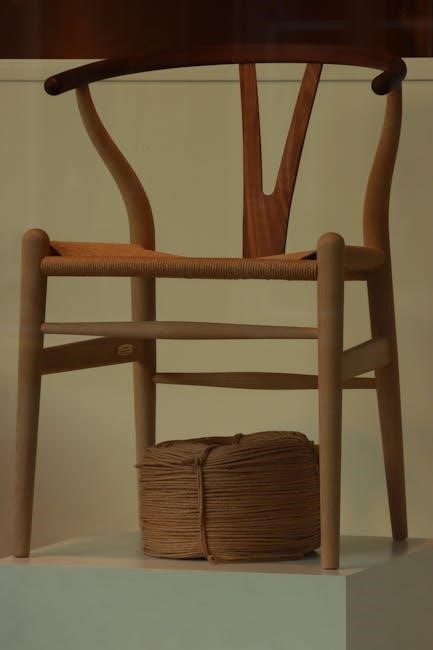
PDF guides emphasize the importance of comfort and ergonomics. The seat is often carved with a gentle concave curve‚ providing support and cradling the sitter. The backrest‚ similarly‚ is sculpted to conform to the natural curve of the spine.
PDF instructions often detail the use of rasps‚ spokeshaves‚ and sandpaper to achieve the desired smoothness and flowing lines‚ resulting in a visually stunning and exceptionally comfortable seating experience.

Common Challenges and Solutions
Building a Maloof rocking chair‚ even with detailed PDF plans‚ presents unique challenges. Many woodworkers struggle with accurately replicating the complex curves of the rockers and the sculpted back. PDF guides often address this by recommending templates and careful marking.
Joint construction‚ particularly the mortise and tenon joints‚ can be tricky. PDF resources emphasize precise cutting and fitting‚ suggesting dry-fitting multiple times before applying glue. Another common issue is achieving a smooth‚ consistent finish.
PDF instructions frequently recommend practicing finishing techniques on scrap wood first. Finally‚ maintaining symmetry throughout the build is crucial; PDF plans often include detailed measurements and visual references to help ensure a balanced and aesthetically pleasing result.
Finishing Techniques for a Maloof Rocking Chair
Achieving a beautiful finish is vital for showcasing the sculpted form of a Maloof rocking chair. PDF plans often detail the debate between oil and lacquer finishes. Oil finishes‚ like tung oil or linseed oil‚ penetrate the wood‚ enhancing its natural grain and providing a warm‚ tactile feel – favored by many Maloof enthusiasts.
Lacquer finishes offer greater durability and a higher sheen‚ but can appear less natural. PDF guides emphasize thorough surface preparation‚ including sanding to progressively finer grits. Multiple coats are typically applied‚ with light sanding between each.
PDF resources also suggest considering the wood species; walnut‚ commonly used‚ responds well to both finishes. Ultimately‚ the choice depends on desired aesthetics and the level of protection needed.
Oil Finishes vs. Lacquer Finishes
Sam Maloof rocking chair plans‚ often in PDF format‚ frequently address the crucial finishing decision: oil versus lacquer. Oil finishes‚ like tung or linseed oil‚ penetrate the wood‚ highlighting the grain and offering a soft‚ hand-rubbed feel. They require multiple applications‚ building depth gradually‚ and are easily repairable.
Lacquer‚ conversely‚ forms a protective film on the wood‚ providing greater durability and a higher gloss. PDF guides note lacquer demands a dust-free environment and specialized application techniques. While offering robust protection‚ lacquer can be more challenging to repair seamlessly.
The choice hinges on desired aesthetics and usage. Oil emphasizes natural beauty‚ while lacquer prioritizes resilience. PDF resources often recommend testing finishes on scrap wood to visualize the final result.
Cost Estimation for a DIY Maloof Rocking Chair
Estimating costs for a DIY Maloof rocking chair‚ guided by PDF plans‚ requires careful consideration. Premium hardwoods like walnut or cherry‚ central to most plans‚ represent the largest expense – potentially $500-$1000 depending on sourcing and lumber quality.
Hardware‚ including fasteners and potentially sculpted arm supports‚ adds another $50-$150. Finishes (oil or lacquer) contribute $30-$80. PDF guides don’t always factor in tool costs; existing tools reduce expenses‚ but specialized carving tools can add $200+.
Overall‚ a DIY Maloof rocker can range from $780 to $1330+‚ excluding labor. PDF plans help minimize waste‚ but material costs remain significant. Careful budgeting and sourcing are crucial for a cost-effective build.
Resources and Further Learning
Expanding your knowledge beyond Sam Maloof rocking chair plans (PDF format) involves exploring diverse woodworking communities. Online forums dedicated to chairmaking offer invaluable advice and troubleshooting support. Websites like Fine Woodworking and Popular Woodworking provide articles and videos on relevant techniques.
Charles Brock’s Chairmaker website is a primary resource‚ offering detailed plans and instruction. Scott Morrison’s guides‚ often available as PDFs‚ provide a step-by-step approach. Consider joining woodworking guilds for hands-on workshops and mentorship.
Books on sculpting‚ joinery‚ and finishing will enhance your skills. Remember‚ mastering Maloof’s style requires dedication and continuous learning‚ supplementing your PDF plans with practical experience.